Source salon lifting trolley for beauty salons, spas, and clinics
Explore 27 salon lifting trolley options featuring 3 to 5 layers, tempered glass, and metal construction. Buyers can compare models like DP-6039 and T08 with varying wheel types and customization options for professional beauty environments.
Key considerations
Products List


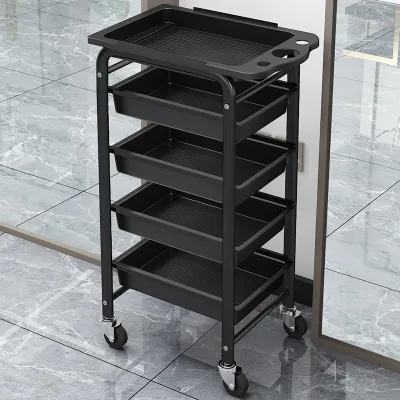


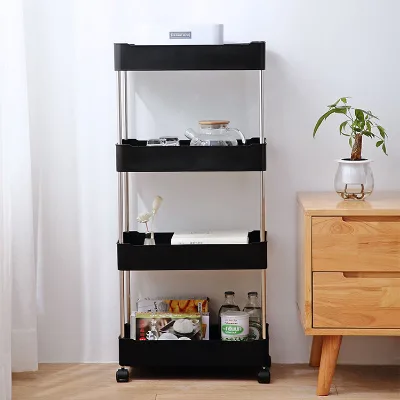


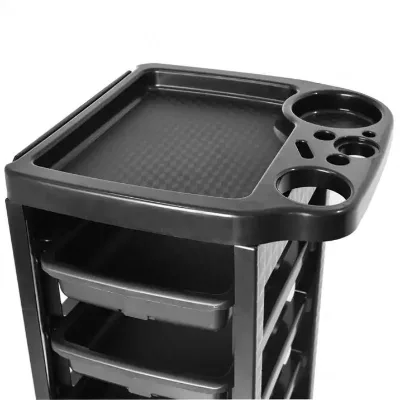


Comprehensive Sourcing Guide
Strategic Sourcing Guide for Salon Lifting Trolleys
The global beauty and wellness industry relies heavily on mobile, ergonomic, and durable equipment to maintain operational efficiency. Among these assets, the salon lifting trolley stands out as a critical piece of infrastructure for stylists, aestheticians, and technicians. Sourcing this equipment requires a disciplined approach that balances technical specifications, regulatory compliance, and total cost of ownership. This guide provides a comprehensive framework for buyers evaluating salon lifting trolleys, utilizing verified product attributes and industry standards to inform procurement decisions.
Technical Specifications and Structural Design
When evaluating a salon lifting trolley, the primary focus must be on the structural integrity and functional design. The core construction often involves a combination of materials selected for durability and aesthetic appeal. In the current market, high-quality units frequently utilize tempered glass for shelving surfaces paired with painted metal frames. This material combination offers a modern look while ensuring the trolley can withstand the daily rigors of a busy salon environment. The metal component typically provides the necessary load-bearing capacity, while the tempered glass adds a layer of safety and ease of cleaning.
The configuration of storage layers is a decisive factor in operational workflow. Buyers should verify the specific layer count, as options range from compact 3-layer units to more expansive 5-layer configurations. A 3-layer design is often sufficient for basic tool organization, whereas a 5-layer unit provides extensive storage for products, towels, and equipment, reducing the need for frequent trips to a central station. The number of drawers is another variable; some models offer a single drawer for secure storage of small items, while others provide two drawers to separate tools from consumables.
Mobility is paramount for a lifting trolley. The wheels must be selected based on the floor surface of the salon. Special medical-grade wheels are often cited as a premium feature, offering smooth rolling and superior braking capabilities to prevent accidental movement during procedures. Standard units may feature four-wheel configurations, but the specific type of wheel—such as silent casters or locking mechanisms—must be confirmed. The physical dimensions of the trolley, including height and width, must align with the salon's layout. Standardized dimensions for various models often fall within ranges such as 51x34.4x76.4 cm or 58.8x41.5x80.8 cm, though exact measurements should be verified against the specific model number, such as DP-6039 or DP-6040M.
Compliance, Certification, and Safety Standards
Procuring medical or salon equipment necessitates a rigorous check on compliance and certification. While the specific regulatory requirements can vary by region, the presence of recognized certifications is a strong indicator of quality and safety. For instance, the CE mark is a critical certification to verify, as it indicates conformity with health, safety, and environmental protection standards for products sold within the European Economic Area. Buyers should explicitly request certification documentation to ensure the product meets the necessary standards for their specific market.
Safety features extend beyond certifications to include the physical design of the lifting mechanism. Although specific test data is not always publicly available for every listing, the presence of a "lifting" function implies a mechanical system that must be robust. The weight capacity of the trolley is directly related to its construction materials and frame design. Buyers must assess the net weight (N.W.) and gross weight (G.W.) of the unit, as these figures often correlate with the materials used. For example, a unit with a net weight of 15 kg and a gross weight of 17 kg suggests a specific density of materials that impacts stability. The packing size, often around 83x56x10 cm, provides insight into the volume of the unit when disassembled, which is crucial for logistics planning.
Cost Drivers and Pricing Dynamics
The pricing of salon lifting trolleys is influenced by a complex interplay of factors, including material quality, customization options, and order volume. The observed price range in the market spans from approximately $9.59 to $180 USD. This significant variance indicates that price is not a linear indicator of quality but rather a reflection of specific feature sets. Lower-priced units may be constructed from plastic or simpler metal alloys, while higher-priced models likely feature tempered glass, specialized wheels, and advanced lifting mechanisms.
Customization is a major cost driver. Options such as adding a custom logo, selecting specific colors like white or black, and choosing the number of drawers or layers can alter the final price. The availability of customization allows buyers to align the product with their brand identity, but it often comes with a premium. Additionally, the minimum order quantity (MOQ) plays a role in unit economics. While some suppliers may offer an MOQ of 1 piece, others might require a minimum of 10 pieces. Bulk purchasing can significantly reduce the per-unit cost, making it essential for buyers to calculate the total cost of ownership, including shipping and handling, rather than focusing solely on the unit price.
Typical Applications and Functional Versatility
Salon lifting trolleys are designed for a variety of professional applications, primarily within beauty salons, spas, and aesthetic clinics. The specific use case often dictates the required features. For instance, a trolley designated for "Salon Trolley" use must accommodate the specific tools of a hair stylist, such as scissors, combs, and hairdryers. In contrast, units used for aesthetic treatments may require more space for bottles, creams, and disposable supplies.
The versatility of these units is enhanced by features like integrated lighting. Some models come with an available lamp, which is essential for detailed work such as nail art, eyelash extensions, or precise hair coloring. This feature ensures that the workstation is well-lit, reducing eye strain and improving the quality of service. The ability to move the trolley effortlessly allows stylists to reposition their workspace as needed, enhancing the flow of the salon. The "Easy to Move" feature, often highlighted in product descriptions, is a critical functional attribute that contributes to the overall efficiency of the service provider.
Supplier Evaluation and Sourcing Strategy
Evaluating suppliers requires a methodical approach to ensure reliability and product consistency. Buyers should prioritize suppliers who provide clear and detailed product specifications, including model numbers, dimensions, and material compositions. The origin of the product is also a significant factor; many salon trolleys are manufactured in China, with specific production hubs in regions like Guangdong. Understanding the origin helps in assessing the supply chain logistics and potential lead times.
When assessing a supplier, look for transparency regarding their production capabilities and quality control processes. Suppliers that offer standard export packing with cartons demonstrate an understanding of the need to protect the product during transit. The packing size, such as 83x50x10 cm or 34x39x83 cm, should be consistent with the product dimensions to ensure efficient shipping. Additionally, the warranty period is a key indicator of supplier confidence. A warranty of 2 years suggests that the manufacturer stands behind the durability of their product, providing buyers with a safety net against premature failure.
Quality Control and Inspection Protocols
Implementing a robust quality control (QC) protocol is essential before accepting a large shipment of salon lifting trolleys. Buyers should verify the condition of the products, ensuring they are listed as "New" and free from defects. Inspection should focus on the structural integrity of the frame, the smoothness of the lifting mechanism, and the stability of the wheels. The presence of tempered glass should be confirmed to ensure it meets safety standards and is free from cracks or imperfections.
Packaging inspection is equally important. The product should be packed in standard export cartons, with each unit typically packed individually (1 Piece 1 Carton) to prevent damage during shipping. Buyers should check for any signs of compression or damage to the cartons upon arrival. The weight of the packaged unit should match the stated gross weight to ensure that no components are missing. For units with specific features like special medical wheels or integrated lamps, functional testing should be conducted to verify that these components operate as intended.
Long-Term Procurement Considerations
Sourcing salon lifting trolleys is not just a one-time transaction but a long-term investment in the salon's operational capabilities. Buyers should consider the longevity of the product and the availability of replacement parts. The warranty period, such as the 2-year coverage mentioned in some listings, is a critical factor in this decision. A longer warranty period often correlates with higher quality materials and better manufacturing standards.
Furthermore, the potential for customization should be weighed against the long-term needs of the business. While a customized logo or color may enhance brand identity initially, it is important to ensure that the customization does not compromise the structural integrity or functionality of the trolley. The ease of maintenance is another consideration; surfaces that are easy to clean and materials that resist wear and tear will reduce long-term maintenance costs. By focusing on these long-term factors, buyers can ensure that their investment in salon lifting trolleys provides sustained value and supports the growth of their business.
Comparative Analysis of Key Product Attributes
To assist in the decision-making process, the following table summarizes key attributes observed in the market for salon lifting trolleys. This comparison highlights the variability in specifications and helps buyers identify the features most relevant to their specific needs.
| Attribute | Common Observation | Variability Notes |
|---|---|---|
| Material | Metal, Tempered Glass, Plastic | Glass/Metal combo offers premium feel; Plastic is lighter/cheaper |
| Layer Count | 3 Layers, 5 Layers | 3-layer for compact spaces; 5-layer for high-volume storage |
| Color Options | White, Black | White is standard for clinical look; Black for modern aesthetic |
| Wheels | Special Medical Wheels, 4 Wheels | Medical wheels offer superior braking; 4-wheel is standard |
| Customization | Logo Optional, Customized | Logo placement varies; color and layer count often customizable |
| Certification | CE | CE is a common standard; verify region-specific compliance |
| Warranty | 2 Years | Standard warranty period; check for exclusions |
| Origin | China (Guangdong) | Guangdong is a major manufacturing hub for this category |
| Model Numbers | DP-6039, DP-6040M, T08 | Specific models dictate dimensions and features |
By adhering to these guidelines and utilizing the provided data, buyers can navigate the complex landscape of salon lifting trolley procurement with confidence. The focus on verified specifications, compliance, and long-term value ensures that the selected equipment will meet the demanding requirements of modern beauty and wellness professionals.
FAQs
What materials are used for salon lifting trolleys?
Salon lifting trolleys are typically constructed from tempered glass and painted metal frames. Some models may also utilize plastic components for specific parts. This combination ensures durability and a modern aesthetic suitable for professional beauty environments.
How many layers do these trolleys usually have?
These units commonly feature either 3 or 5 layers depending on the specific model selected. A 3-layer design offers compact storage, while a 5-layer configuration provides extensive space for tools and products to reduce frequent trips to a central station.
Can buyers customize the logo on the trolley?
Yes, customization is available for adding a logo to the salon lifting trolley. Buyers can also select specific colors like white or black and choose between one or two drawers to align the product with their brand identity and operational needs.
Which certification is standard for these medical-grade trolleys?
The CE certification is a standard requirement for these units to ensure safety and compliance. This mark indicates conformity with health and environmental protection standards, which is critical for equipment used in professional beauty and aesthetic clinics.
What is the typical weight capacity of the unit?
The net weight of the trolley is typically around 15 kg with a gross weight of 17 kg. This weight reflects the density of materials used, such as tempered glass and metal, ensuring stability during use in busy salon environments.
How long is the warranty period for the product?
The standard warranty period provided for these salon lifting trolleys is 2 years. This coverage indicates the manufacturer's confidence in the durability of the product and provides a safety net against premature failure for the buyer.